Introduction
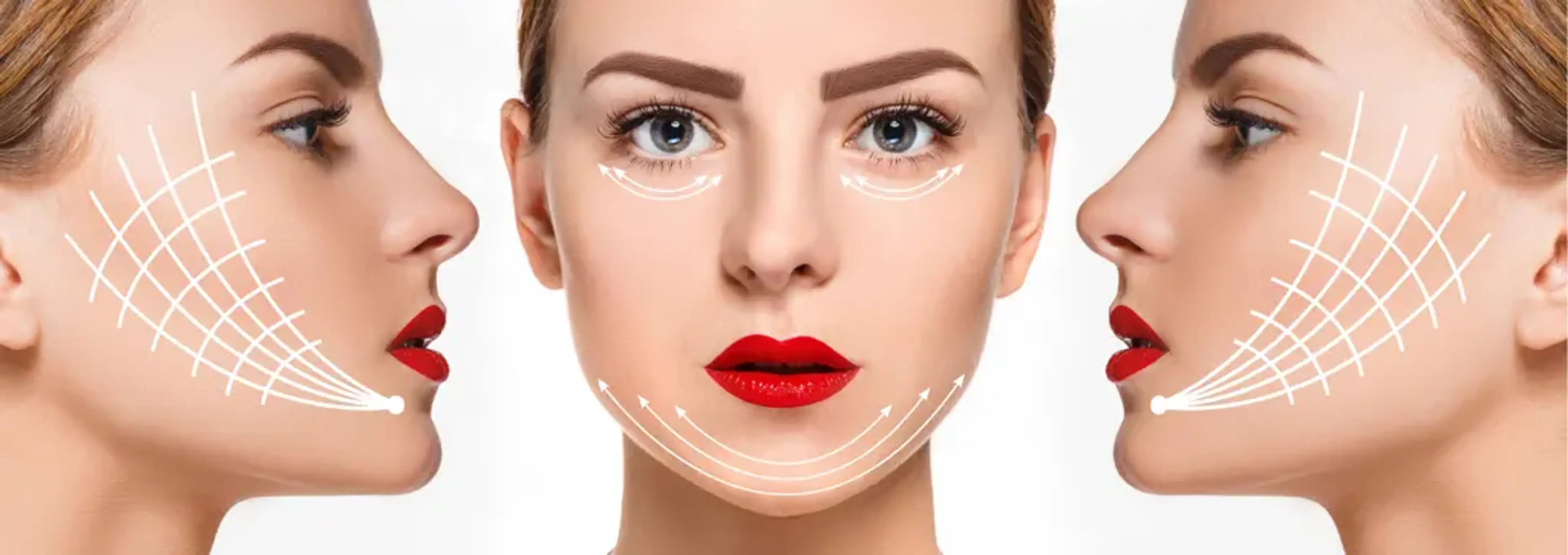
introductionAs we age, our skin inevitably begins to lose its youthful firmness and elasticity, often showing up first around the jawline, neck, and face. This process can lead to sagging and fine lines, leaving many of us searching for solutions that restore the smooth, taut skin of our younger years. The good news is that advancements in non-invasive treatments have made skin rejuvenation more accessible than ever, offering significant results without the need for surgery.
Two of the most popular options today are Alltite and Ulthera. Both provide impressive results for tightening and lifting the skin, but the treatments use different technologies to achieve their effects. Understanding the distinctions between them can help you choose the best option based on your skin type, concerns, and goals.
What is Alltite?
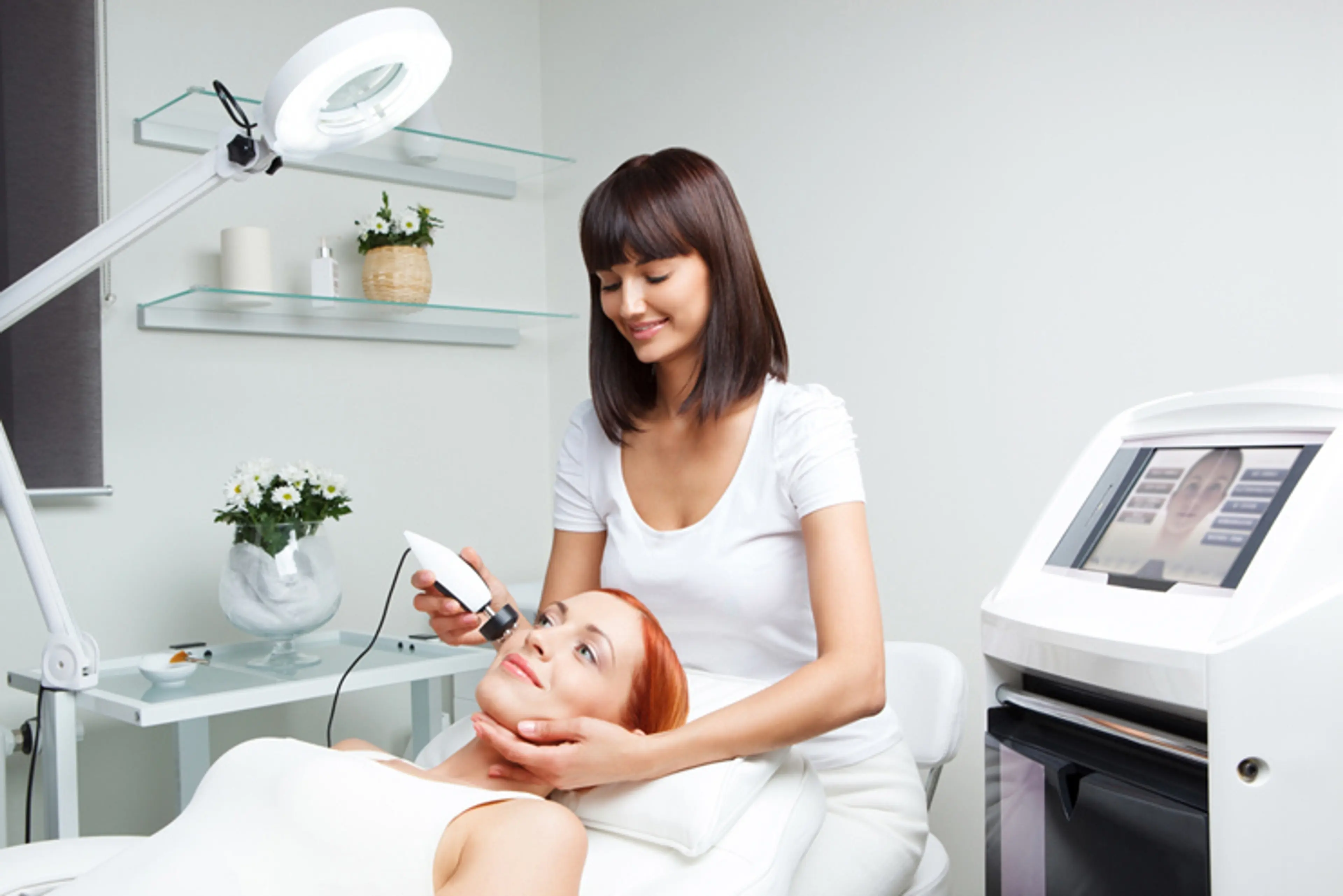
what-is-alltiteAlltite is a non-invasive skin lifting treatment that harnesses radiofrequency (RF) energy to stimulate the deeper layers of the skin. This energy promotes the production of collagen, tightening and lifting the skin over time.
One of the primary benefits of
Alltite is its ability to treat more delicate areas like the neck and under-eye area effectively. Since the procedure uses RF energy to target the deeper skin layers, it delivers a gradual, subtle lifting effect that feels natural and not overly dramatic. Patients often experience visible improvements in skin tightness and texture after just a few sessions, with results lasting for several months to a year.
What is Ulthera?
what-is-ulthera
Ulthera, or Ultherapy, is another popular non-surgical skin lifting treatment, but instead of using radiofrequency, it relies on ultrasound energy to deliver targeted treatment. This technique uses high-frequency sound waves to penetrate the skin at varying depths, stimulating collagen production for tighter, smoother skin.
Ulthera is particularly well-regarded for its precision. It can target specific skin layers and deliver energy deep within the dermis, making it especially effective for lifting areas like the face, chin, and neck. The FDA-approved treatment has a reputation for producing more noticeable lifting results, even after just one session, making it an ideal choice for those with moderate to more significant skin laxity.
Comparing Alltite and Ulthera: Technology and Approach
comparing-alltite-and-ulthera:-technology-and-approachWhile both Alltite and Ulthera serve the same purpose—lifting and tightening the skin—the technologies they use are quite different.
Alltite: Utilizes radiofrequency (RF) energy to heat the deeper layers of the skin, stimulating the body’s natural collagen production. This process causes the skin to contract, leading to gradual skin tightening and a smoother, firmer appearance. It’s a gentler approach that’s ideal for those seeking a more natural, subtle lift.
Ulthera: Relies on ultrasound waves that are carefully focused on specific layers of the skin. The high-intensity sound energy stimulates deeper tissues to regenerate collagen, resulting in firmer, more lifted skin. This treatment is known for its precision and is often favored by patients who are looking for more dramatic results.
For both treatments, results improve over time as collagen production increases, but Ulthera’s effects tend to be more immediate and noticeable due to its deeper penetration.
How Alltite and Ulthera Stimulate Collagen Production
how-alltite-and-ulthera-stimulate-collagen-productionCollagen is essential for youthful, smooth skin. As we age, collagen production slows down, contributing to skin sagging and wrinkles. Both Alltite and Ulthera target this problem by stimulating the production of new collagen, which restores the skin’s structure and tightness.
Alltite: Through the application of RF energy, Alltite works by inducing heat deep within the skin, stimulating collagen and elastin production. As a result, skin becomes firmer and the appearance of fine lines and sagging diminishes over time.
Ulthera: Ulthera’s ultrasound energy also promotes collagen regeneration, but it works more precisely by focusing on different skin depths. The result is a customized lifting effect, particularly beneficial for areas such as the brows, neck, and jawline, where more significant lifting may be desired.
Real-World Effectiveness: Alltite vs. Ulthera
real-world-effectiveness:-alltite-vs.-ultheraAlltite is often most effective for individuals with mild to moderate skin laxity. It’s perfect for those who wish to lift the skin gently, especially around delicate areas like the under-eye region or jawline. Patients typically notice improvements in skin tone and firmness within a few weeks, and the results can last up to a year. Alltite’s more gradual results can be ideal for individuals who prefer a subtle, natural-looking enhancement.
Ulthera, on the other hand, delivers more dramatic effects, especially for those with moderate to advanced skin sagging. The procedure’s precision allows it to target deeper layers of the skin, offering a more noticeable lift, particularly around the cheeks, neck, and brow areas. Many patients see a visible difference after just one session, with results improving over the following months. Ulthera’s results can last up to a year or more, making it an excellent option for those seeking more defined, long-lasting changes.
Treatment Duration and Recovery
treatment-duration-and-recoveryBoth treatments are non-invasive and relatively quick when compared to traditional surgical procedures, but their durations and recovery times vary.
Alltite: The procedure typically takes between 30 to 60 minutes, depending on the treatment area. Most patients require just one session, although follow-up treatments every 6 to 12 months may be recommended for optimal results. After the procedure, recovery is minimal, with patients often experiencing only mild redness or swelling that resolves quickly.
Ulthera: Ulthera treatments are longer, usually lasting between 60 to 90 minutes. Since the ultrasound energy must be delivered precisely to various skin depths, the process is more time-consuming. However, recovery is still quick, with any post-treatment redness or tenderness usually disappearing within a few hours to a couple of days.
Costs: Alltite vs. Ulthera
costs:-alltite-vs.-ultheraCost is an important factor when deciding between Alltite and Ulthera.
Alltite: The price for Alltite treatments typically ranges from $500 to $2,000 per session, depending on the areas being treated. The procedure is more affordable compared to surgical facelifts and offers lasting results for a relatively low investment.
Ulthera: Ulthera is generally more expensive, with costs ranging from $1,500 to $4,000 per session. The higher cost reflects the advanced technology and the ability to provide more targeted, dramatic results. Multiple sessions may be necessary for optimal outcomes, adding to the overall cost.
Which Treatment Is Best for You?
which-treatment-is-best-for-you
Ultimately, the decision between Alltite and Ulthera comes down to your unique skin concerns, desired results, and budget.
Alltite: If you’re looking for a gentle, gradual lift with minimal discomfort and a lower price point, Alltite might be the better option. It’s ideal for patients with mild to moderate skin laxity who prefer a more natural, subtle enhancement.
Ulthera: For those seeking a more dramatic, noticeable lift and willing to invest in advanced technology, Ulthera offers a more targeted and powerful solution. It’s best suited for individuals with moderate to severe skin sagging, particularly around the face and neck.
Why Choose BLS Clinic for Your Skin Lifting Treatment?
why-choose-bls-clinic-for-your-skin-lifting-treatmentAt
BLS Clinic, we offer both Alltite and Ulthera treatments tailored to your individual needs. With over 18 years of expertise,
Dr. Yi Dongjin, a globally recognized cosmetic surgeon, leads our clinic. His experience, combined with the latest technology, ensures that you receive the most effective, personalized skin lifting treatment in a comfortable and professional environment.
Conclusion
conclusionBoth Alltite and Ulthera provide safe, non-invasive solutions for skin lifting, each with its own advantages. Whether you opt for the more subtle, gradual effects of Alltite or the dramatic, immediate results of Ulthera, both treatments offer lasting benefits without surgery. A consultation with a qualified practitioner will help you determine the best treatment based on your skin’s condition and your aesthetic goals.