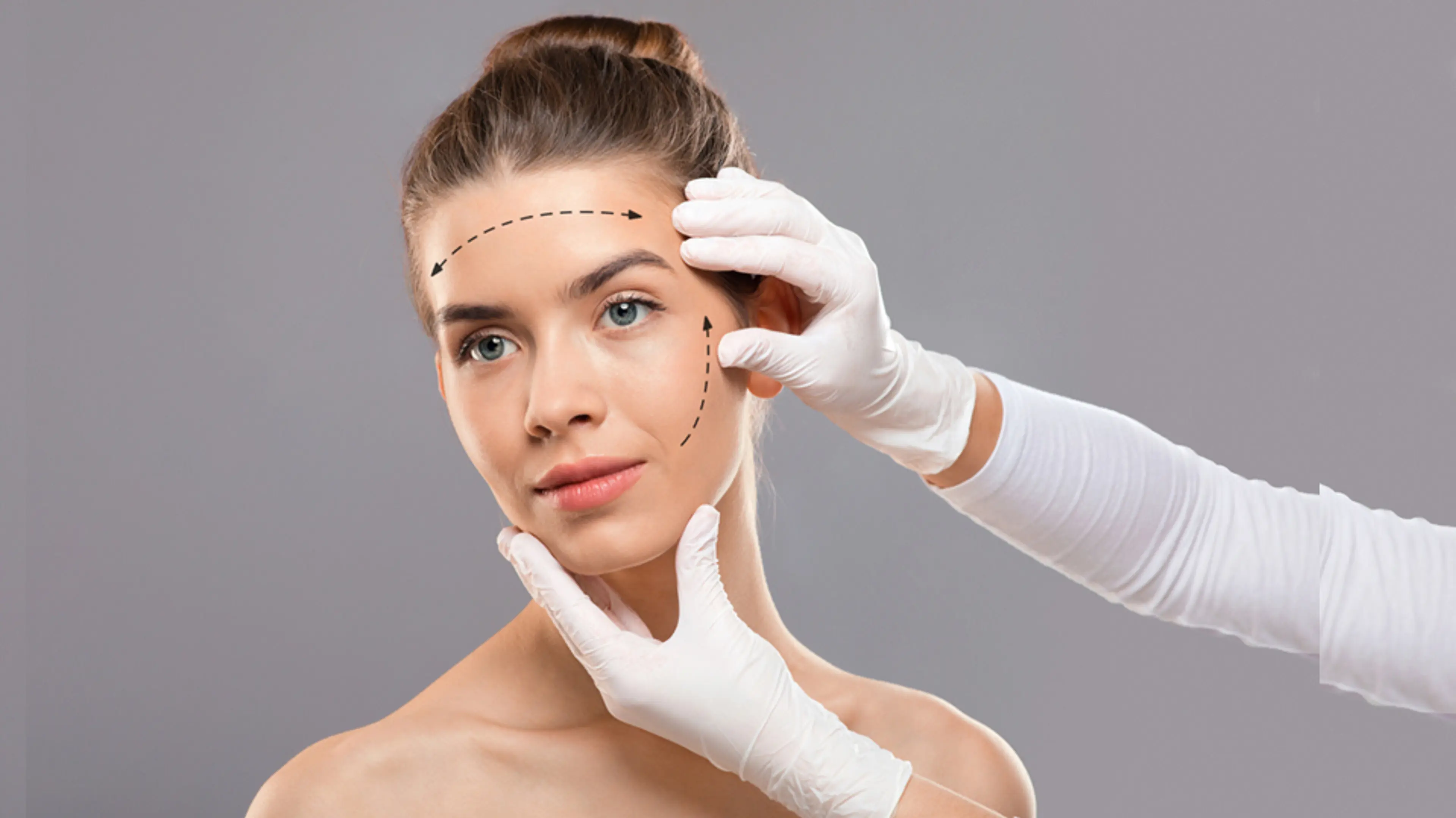
In the world of aesthetic rejuvenation, the choice often comes down to two paths: technology-driven non-invasive treatments or surgical facelifts with long-lasting structural change. At BLS Clinic in Gangnam — where we specialize in both — patients often ask the same question:
“Can EmFace really replace a facelift?”
The answer? It depends on what you're looking for. Let’s break down what each option offers, who it suits best, and how to make the right decision for your face and lifestyle.
What Is EmFace — and What Makes It Different?
what-is-emface-and-what-makes-it-differentEmFace is a next-generation facial treatment that uses HIFEM (High-Intensity Electromagnetic Fields) and synchronized radiofrequency (RF) to tone facial muscles and tighten skin — without needles, incisions, or downtime.
It’s essentially like giving your face a deep tissue workout while stimulating collagen from the inside out. The dual action strengthens key lifting muscles (like the zygomaticus and risorius) while heating the dermis to firm and smooth the skin.
EmFace is best for:
emface-is-best-for:People in their 30s to early 50s with mild to moderate laxity
Those who want subtle, natural-looking lift
Patients who prefer non-surgical options and fast recovery
What Does a Traditional Facelift Involve?
what-does-a-traditional-facelift-involveA traditional facelift (also called rhytidectomy) is a surgical procedure designed to reposition sagging tissue, remove excess skin, and lift the lower face and neck.
Unlike non-invasive treatments, surgery can address deep structural aging — think heavy jowls, pronounced nasolabial folds, or neck laxity. The results are more dramatic and typically last 8–15 years.
A facelift is ideal for:
a-facelift-is-ideal-for:Those in their late 40s to 60s+ with visible facial sagging
People who want noticeable, long-lasting change
Patients willing to undergo anesthesia and downtime
Key Differences: EmFace vs. Facelift
key-differences:-emface-vs.-faceliftCategory | EmFace | Traditional Facelift |
|---|
Invasiveness | Non-invasive | Surgical |
Downtime | None to minimal | 2–4 weeks (typical) |
Pain/Recovery | Comfortable, no anesthesia | Requires healing time |
Results | Subtle, natural | Dramatic, defined |
Longevity | ~6–12 months (with maintenance) | 8–15+ years |
Target Areas | Midface, cheeks, jawline | Lower face, jawline, neck |
Age Range | 30s–50s | 45+ |
How They Work — The Science Behind the Results
how-they-work-the-science-behind-the-results
EmFace: Tech-Driven Muscle and Skin Rejuvenation
emface:-tech-driven-muscle-and-skin-rejuvenationHIFEM contracts facial muscles to increase tone and lift.
RF energy heats the dermis, boosting collagen and elastin.
No needles, downtime, or skin damage.
20-minute sessions, typically in a series of 4–6.
Patients usually see gradual improvements in skin tightness and contour. Think: sharper cheekbones, better jawline definition, and smoother texture — all without surgery.
Facelift: Structural Repositioning
facelift:-structural-repositioningInvolves lifting deeper tissues (SMAS layer) beneath the skin.
Excess skin is trimmed, muscles may be repositioned or tightened.
Customizable — from mini-lifts to deep plane techniques.
Recovery includes swelling, bruising, and downtime.
Facelifts offer instant structural correction — but also require the most commitment in terms of healing and follow-up.
So, Which One Lasts Longer?
so-which-one-lasts-longerThis is a crucial question, especially when weighing investment vs. outcome.
EmFace offers gradual lift and tightening with results lasting 6–12 months, depending on lifestyle, aging rate, and maintenance.
Facelift surgery delivers results that last up to 15 years, especially when combined with good skincare and occasional non-invasive maintenance.
So while EmFace can delay the need for surgery, it doesn’t permanently reposition deep tissues like a facelift can.
Downtime and Recovery: What to Expect
downtime-and-recovery:-what-to-expectEmFace
emfaceNo anesthesia, no needles.
Return to work or errands immediately.
Some experience light redness or muscle fatigue (like post-gym soreness).
No scars or swelling.
Facelift
faceliftTypically done under general or local anesthesia with sedation.
Swelling and bruising for 1–3 weeks.
Most people return to social life within 2–4 weeks.
Scars are well-concealed but require healing time.
If your lifestyle doesn’t allow for downtime, EmFace is a strong candidate. If you can invest in recovery for long-term payoff, surgery may be worthwhile.
How to Choose: Goals, Age & Facial Anatomy
how-to-choose:-goals-age-and-facial-anatomy
Go for EmFace if:
go-for-emface-if:You’re in your 30s to early 50s
You want a natural, gradual lift
You’re just beginning to notice signs of aging (jawline softening, cheek flattening, fine lines)
You prefer non-invasive procedures and minimal interruption to your schedule
Consider a Facelift if:
consider-a-facelift-if:You’re in your late 40s or older
You see visible jowling, sagging, or neck folds
You want long-term structure-based correction
You’re open to surgery and downtime
To be honest, many patients come in expecting EmFace to deliver what only surgery can — and vice versa. That’s why a personalized consultation is so important.
Can You Combine EmFace with a Facelift?
can-you-combine-emface-with-a-faceliftAbsolutely — and this is where modern aesthetic medicine shines.
At BLS Clinic, we often use EmFace before surgery to optimize muscle tone and after surgery to maintain results long-term. For example:
A patient may do EmFace in their 40s and 50s, then opt for a mini-lift in their 60s.
Or, someone who’s had a facelift may use EmFace a year later to keep their muscles strong and skin firm.
Combination therapy often delivers the most natural, lasting results — with each treatment supporting the other.
Cost: Which Is More Economical?
cost:-which-is-more-economicalThis depends on your timeline and treatment plan.
EmFace: Lower upfront cost, but requires repeat sessions and maintenance every 6–12 months.
Facelift: Higher initial investment, but often more cost-effective over 10+ years.
If you’re seeking a low-commitment refresh, EmFace is worth the investment. If you want a long-term transformation, surgery might offer better value per year of result.
What We Recommend at BLS Clinic
what-we-recommend-at-bls-clinicAt BLS Clinic, we never push one-size-fits-all solutions. Our role is to help patients understand what’s possible, realistic, and ideal — not just trendy.
We usually start by asking:
How do you want to look — subtly refreshed or noticeably lifted?
Are you open to surgery, or do you want to stay non-invasive?
What is your timeline and lifestyle flexibility?
From there, we create a customized roadmap, whether it involves EmFace, surgical options, or a combination of both. Our priority is natural beauty, precision, and long-term satisfaction — not just short-term results.
The Bottom Line: It’s About Fit, Not Just Features
the-bottom-line:-it's-about-fit-not-just-featuresEmFace and surgical facelifts are not competing treatments — they are complementary solutions for different stages of aging and different kinds of goals.
Choose EmFace if you want to stay ahead of aging, maintain tone, and avoid downtime.
Choose a facelift if you need structural correction and are ready for more lasting transformation.
Or choose both in a phased, thoughtful approach that evolves with you.
Ready to Explore Your Best Option?
ready-to-explore-your-best-optionIf you're navigating the choice between EmFace and a facelift, the most important step is a personalized consultation with an experienced, technology-forward clinic.
At BLS Clinic in Gangnam, we specialize in advanced lifting and skin rejuvenation — offering EmFace, Ulthera, Thermage, and surgical options in one comprehensive setting. Whether you're just starting your aesthetic journey or considering a next step, we're here to guide you with expertise and care.
Book a consultation today and discover the right lift for your face, your goals, and your life.