Home / Articles
Lifting Treatments : What to Expect |BLS Clinic
Home / Articles
Lifting Treatments : What to Expect |BLS Clinic
Deciding to undergo a lifting treatment is a significant step toward reclaiming your confidence. As we age, our skin and the deeper tissues of the face naturally begin to sag. This leads to the appearance of jowls, deep folds, and a tired look. At BLS Clinic, we believe that a lift should not make you look like a different person. Instead, it should make you look like a refreshed, well-rested version of yourself.
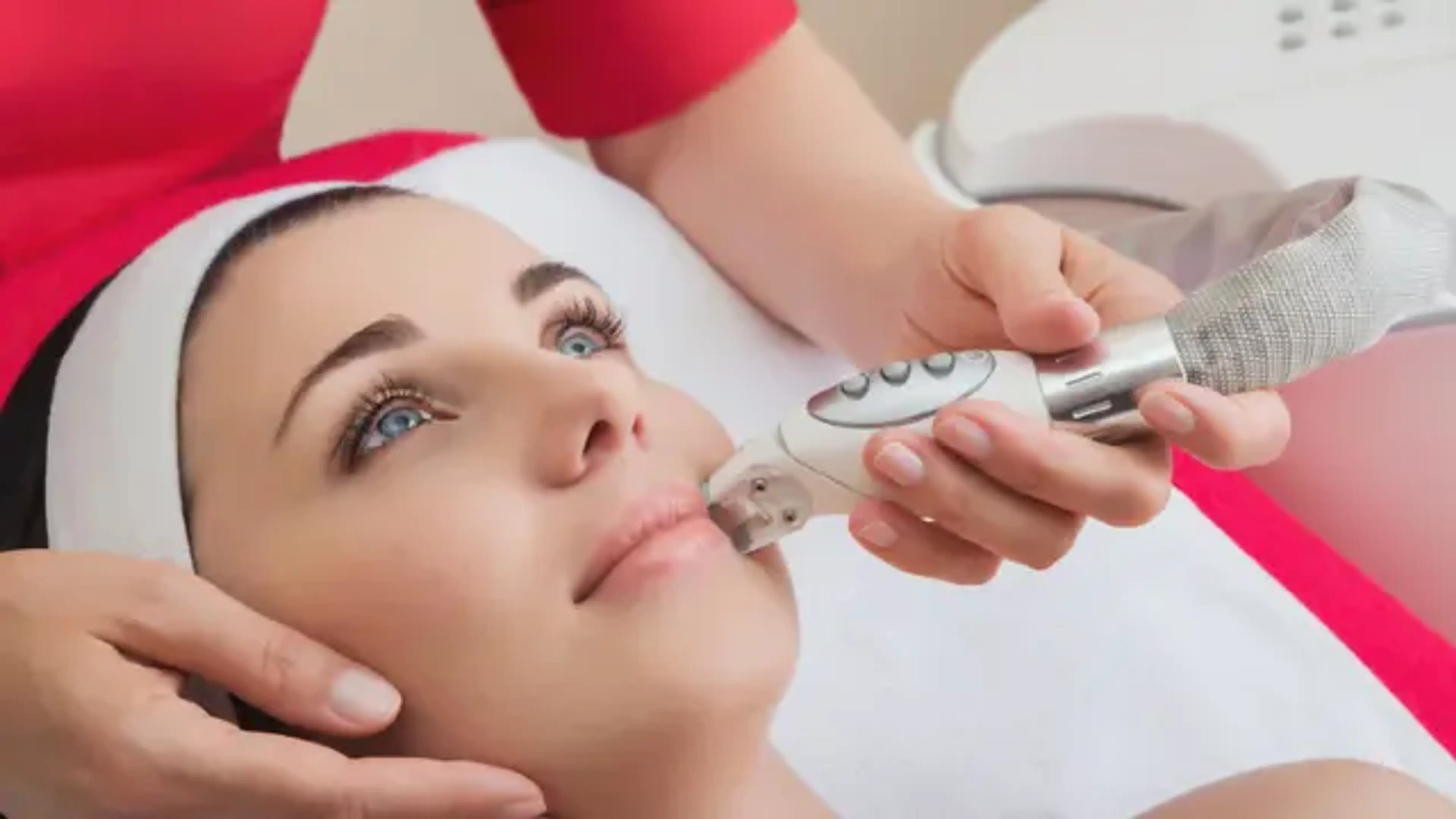
There is no one-size-fits-all approach to facial rejuvenation. Depending on your skin quality and the degree of sagging, you may benefit from either a non-surgical maintenance treatment or a more transformative surgical procedure.
These treatments are perfect for younger patients or those who want to delay the need for surgery.
For significant sagging, surgery remains the most effective solution.
Treatment | Best For | Downtime | Results Duration |
|---|---|---|---|
HIFU / Ultherapy | Mild sagging, preventative | 0 - 1 day | 6 - 12 months |
Thread Lift | Early jowling, subtle lift | 2 - 4 days | 1 - 2 years |
Mini-Lift | Jawline definition | 7 - 10 days | 5 - 8 years |
Full SMAS Lift | Moderate to heavy sagging | 10 - 14 days | 10 - 12 years |
Deep Plane Lift | Total facial rejuvenation | 14 - 21 days | 15+ years |
Before booking a procedure, it is important to know if your skin is ready for a lift. At BLS Clinic, we use a variety of assessment tools, but you can start with a simple check at home.
Gently pinch the skin along your jawline or cheek. If the skin snaps back instantly, you have good elasticity and may benefit most from non-surgical options. If the skin takes a second to return to its place, or if you can pull an inch or more of skin away from the bone, a surgical lift may be necessary to achieve the results you want.
Your age in years is less important than the age of your anatomy. Genetics, sun exposure, and lifestyle choices like smoking can make a 40-year-old’s skin look 50. Conversely, someone in their 60s with great skin care may only need a mini-lift.
A lift improves structure. It restores the V-shape of a youthful face. However, it does not change skin texture. To treat fine lines, sun spots, or crepey skin, we often recommend combining a lift with laser treatments or chemical peels.
Preparation is the key to a smooth recovery. To ensure your body is ready to heal, we recommend the following:
Whether you are having a 45-minute thread lift or a 4-hour deep plane facelift, your comfort is our priority.
Your surgeon will draw "vectors" on your face. These are lines that indicate the direction in which the tissue will be moved. This mapping ensures that the lift is balanced and symmetrical.
Non-surgical treatments usually require only a numbing cream. For surgical lifts, we offer local anesthesia with sedation (you are relaxed but awake) or general anesthesia (you are completely asleep).
The secret to a BLS Clinic lift is our focus on the SMAS layer. By tightening the underlying muscle, we take the tension off the skin. This prevents the "stretched" look and ensures that your results don't "drop" after just a year or two.
Every medical procedure carries some risk. Being informed helps you manage the process with confidence.
Recovery is a journey. While you will see a difference immediately, the final look takes time to settle.
When considering the cost of a lift, many patients look globally. While the USA and Europe offer skilled surgeons, South Korea has become the world's premier destination for lifting treatments.
South Korea is currently the cheapest and best location for lifting treatments. This is due to several factors:
Treatment Type | Estimated Cost (USA) | Estimated Cost (Europe) | Estimated Cost (South Korea) |
|---|---|---|---|
Surgical Full Lift | $15,000 - $25,000 | $12,000 - $18,000 | $6,000 - $9,500 |
Mini-Lift | $8,000 - $12,000 | $7,000 - $11,000 | $3,500 - $5,500 |
Thread Lift | $3,000 - $5,000 | $2,500 - $4,500 | $1,500 - $2,800 |
HIFU / Ultherapy | $2,500 - $4,000 | $2,000 - $3,500 | $800 - $1,800 |
A lift turns back the clock, but the clock keeps ticking. To keep your results looking fresh, follow these steps:
A surgical facelift typically lasts 10 to 15 years. While your face continues to age, you will always look younger than you would have without the procedure. Non-surgical options like threads usually last 1 to 2 years.
No. Modern lifting techniques focus on moving the deep muscle layers (SMAS) rather than just stretching the skin. This ensures you look like a refreshed version of yourself, not a different person.
Most patients describe the feeling as "tight" or "uncomfortable" rather than painful. During surgery, you are under anesthesia, and post-operative discomfort is easily managed with prescribed medication.
South Korea is the plastic surgery capital of the world. Because their surgeons perform these procedures at such a high volume, they have perfected advanced, minimally invasive techniques. It is widely considered the best place for high-quality results at the most affordable prices.
For non-surgical lifts, you can often go back the next day. For a surgical facelift, most patients return to office-based work within 10 to 14 days, once the initial swelling and bruising have faded.
For surgical lifts, incisions are hidden along the hairline and the natural folds around the ear. Once healed, these scars are typically very thin and nearly invisible to the naked eye.