Introduction
opus-laser-for-acne-scarring:-can-it-really-improve-your-skinAcne scars can feel like stubborn reminders of the past — small indentations or uneven textures that don’t fade even after the breakouts themselves are gone. For many, they affect not just the skin, but also confidence in front of a mirror or camera. In Seoul, where skin quality is seen almost as an extension of self-care and confidence, treatments that target acne scarring are in especially high demand. One name that keeps surfacing in conversations about effective scar revision is the Opus Plasma Laser.
But does it really live up to the promise? And how does it compare to other popular options like fractional lasers, microneedling, or even surgical scar revision? At BLS Clinic in Gangnam, we’ve seen firsthand how patients respond to Opus treatments — and we want to share what you should know before considering it.
Why Acne Scarring Is So Challenging to Treat
why-acne-scarring-is-so-challenging-to-treatUnlike pigmentation left behind after breakouts (which usually fade over time), true acne scars change the skin’s structure. Collagen fibers are damaged, leaving behind depressions like icepick scars, boxcar scars, and rolling scars. Because these are not surface-level issues, simple creams or facials rarely make a significant difference.
The goal of any effective acne scar treatment is to stimulate collagen remodeling — encouraging the skin to rebuild itself from within. This is why energy-based devices like fractional lasers, microneedling with RF, and now plasma-based systems have become the gold standard.
What Is the Opus Plasma Laser?
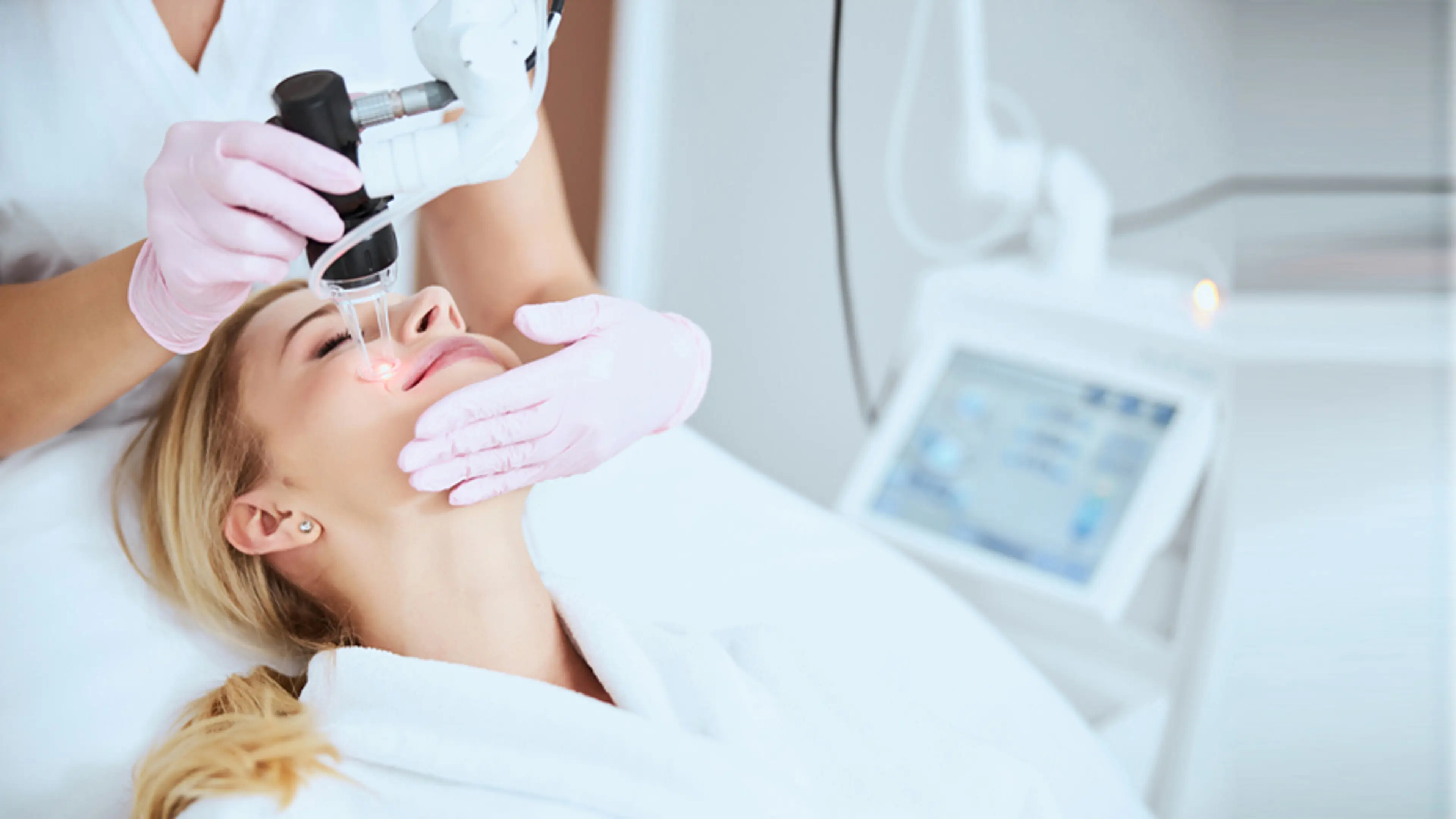
what-is-the-opus-plasma-laserThe Opus Plasma Laser is an advanced skin resurfacing device that uses a combination of radiofrequency energy and microplasma technology. While traditional fractional CO2 lasers resurface skin by creating tiny columns of controlled thermal injury, Opus delivers this effect with far less downtime.
Here’s what makes it unique:
Plasma Energy: Plasma creates controlled “micro-ablation” zones, resurfacing the skin while leaving surrounding tissue intact.
RF Heating: The underlying radiofrequency energy stimulates collagen remodeling deep in the dermis.
Customizable Intensity: Treatments can be fine-tuned, ranging from a gentle “polishing” for texture and pores to deeper resurfacing for scars.
Patients often describe it as having the resurfacing benefits of a CO2 laser, but with a quicker recovery and lower risk of pigmentation issues — a key concern, especially for Asian skin tones.
How Effective Is Opus for Acne Scars?
how-effective-is-opus-for-acne-scars
To be honest, acne scarring rarely disappears completely with any single treatment. But with Opus, we’ve seen significant improvement in skin smoothness, scar depth, and overall texture after just a few sessions.
What’s often missed in online reviews is that Opus works best when used as part of a personalized treatment plan. For example:
Mild to moderate scars: 2–3 sessions of Opus can noticeably refine texture and reduce visible indentations.
Deeper scars: Combining Opus with subcision or fillers often produces superior results, since energy devices alone cannot always lift tethered scars.
Mixed concerns (texture + pigmentation): Opus can be paired with laser toning or microneedling RF for more comprehensive skin rejuvenation.
At BLS Clinic, we often design hybrid protocols where Opus serves as the resurfacing cornerstone, supported by other modalities to maximize outcomes.
Downtime and Recovery: What to Expect
downtime-and-recovery:-what-to-expectOne of the biggest reasons people choose Opus over traditional CO2 lasers is the minimal downtime. Most patients experience:
1–3 days of redness and swelling
A “sandpaper-like” texture that peels within a week
The ability to return to work or social activities much faster than with aggressive fractional lasers
Of course, deeper sessions will require longer recovery, but overall, patients appreciate how manageable the process feels compared to older resurfacing techniques.
Opus vs. Other Acne Scar Treatments
opus-vs.-other-acne-scar-treatmentsYou might be wondering: if there are so many devices out there, why choose Opus? Here’s how it stacks up:
Fractional CO2 Laser: Stronger resurfacing effect but with more downtime and higher risk of pigmentation — especially in Asian skin.
Microneedling RF (e.g., Secret RF, Morpheus8): Great for tightening and mild scars, but less effective for resurfacing superficial texture.
Subcision + Fillers: Best for rolling or tethered scars, but does not address surface roughness.
Opus Plasma: A balanced option, giving resurfacing power similar to CO2, but gentler and more adaptable across different skin types.
Think of it this way: if CO2 is like remodeling a house by tearing down the walls, Opus is like a smart renovation — fixing and upgrading without making the space unlivable during construction.
The Korean Beauty Perspective: Why Opus Is Growing in Popularity
the-korean-beauty-perspective:-why-opus-is-growing-in-popularityIn Korea, smooth, even-textured skin is often considered the foundation of beauty. Many people are diligent about acne prevention, but once scars form, they want the most effective yet gentle solutions possible. That’s why devices like Opus have gained traction:
It fits into the fast-paced lifestyle of Seoul patients who cannot afford weeks of downtime.
It suits darker skin tones better than traditional ablative lasers.
It addresses not just scars, but also pores, fine lines, and uneven tone, making it a multitasking treatment.
At BLS Clinic, we’ve found that patients who once hesitated to try scar treatments because of downtime concerns are now much more open thanks to Opus.
Who Is (and Isn’t) a Good Candidate?
who-is-(and-isn't)-a-good-candidate
Opus works well for most people with acne scars, but results vary depending on scar type, skin type, and overall skin health. Generally:
✅ Good candidates:
People with mild to moderate acne scarring
Those looking for smoother texture with minimal downtime
Patients seeking improvement in pores, fine lines, or early signs of aging
❌ Less ideal candidates:
Those with very deep icepick scars (may need surgical options)
People with uncontrolled active acne
Patients unwilling to commit to multiple sessions for optimal results
Final Thoughts: Can Opus Really Improve Your Skin?
final-thoughts:-can-opus-really-improve-your-skinThe answer is yes — with the right expectations and the right clinic. Opus Plasma is not a magic eraser, but it is a powerful tool for softening scars, smoothing rough texture, and improving overall skin quality. The real key is having your treatment customized by experts who understand both the technology and your skin’s unique needs.
At BLS Clinic in Gangnam, we specialize in crafting bespoke scar revision plans using advanced technologies like Opus, Thermage, Ulthera, and TuneFace. Many of our patients — including well-known figures who depend on their skin looking flawless — have trusted us to refine their complexion with these treatments.
If you’ve been living with acne scars and wondering whether anything can truly make a difference, consider exploring Opus as part of a tailored treatment journey.
✨ Your skin’s story doesn’t have to be defined by the scars of the past. With the right approach, smoother, more radiant skin is absolutely within reach.
👉 Thinking about treating your acne scars?
Schedule a consultation at BLS Clinic in Gangnam to discover whether Opus Laser — or a personalized combination plan — is right for you.