Introduction
pdo-thread-lift-vs.-traditional-facelift:-which-is-better-for-youWalk into any high-end aesthetic clinic in Seoul — especially in beauty-centric districts like Gangnam — and you’ll hear this question more than once: “Should I get a thread lift or just go for a full facelift?”
It’s not just a clinical decision. It’s deeply personal. Beauty, after all, lives not only in how you look but in how you feel — about your age, your identity, and your future self.
Let’s unpack what really separates these two procedures — from how they work to who they’re best for — and help you decide which path fits your unique aesthetic journey.
What Is a PDO Thread Lift?
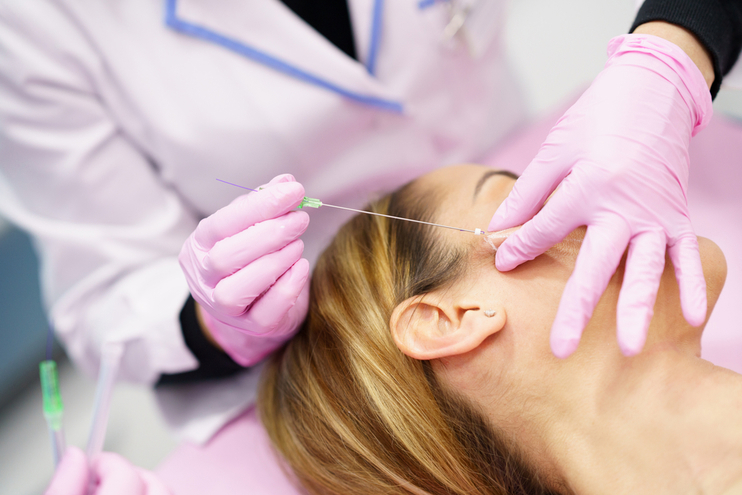
what-is-a-pdo-thread-liftA PDO (Polydioxanone) Thread Lift is a minimally invasive treatment designed to subtly lift and tighten sagging skin. Using medical-grade dissolvable threads, a trained specialist inserts thin filaments under the skin to reposition soft tissues — most commonly in the cheeks, jawline, neck, or brow area.
But here’s what’s often missed:
PDO threads don’t just “pull.” They also stimulate collagen production — meaning that results improve subtly over time, even after the threads dissolve (typically within 6–9 months).
Think of it as scaffolding for your skin — invisible but foundational.
At BLS Clinic, for instance, we use advanced thread types with multidirectional barbs or cones tailored to your anatomy, allowing us to contour with incredible precision. Combined with lifting lasers like Ulthera or TuneFace, the effect can be sculptural — natural yet striking.
What Is a Traditional Facelift?
what-is-a-traditional-faceliftA traditional facelift (rhytidectomy) is a surgical procedure performed under anesthesia. It involves incisions — often around the ears and hairline — through which underlying muscles and connective tissues are repositioned, excess skin is removed, and the overall facial structure is redefined.
This procedure has long been the gold standard for reversing significant signs of aging, such as deep jowls, drooping cheeks, and loose neck skin. Results can last 10 years or more, making it a popular option for individuals over 50 who want a more dramatic, long-lasting transformation.
However, it’s important to acknowledge the trade-offs:
Downtime: Expect 2–4 weeks of visible bruising and swelling.
Scarring: While modern techniques minimize this, incisions are still part of the process.
Cost: A surgical facelift is considerably more expensive than non-surgical alternatives.
Risk: As with any surgery, there are inherent risks including infection, nerve injury, or unsatisfactory results.
The Real Differences — Beyond Just "Surgical vs. Non-Surgical"
the-real-differences-beyond-just-"surgical-vs.-non-surgical"Many articles compare thread lifts and facelifts in a checklist style. But the more honest question is: What kind of change are you seeking?
Let’s look at the core differences that matter when deciding:
1. Degree of Lift and Longevity
1.-degree-of-lift-and-longevityFacelift: Offers the most dramatic lift, especially for sagging that includes muscle and fat descent. Results last 8–12 years.
PDO Thread Lift: Ideal for mild to moderate sagging. Effects last 12–24 months, but with regular maintenance and skin care (like collagen-building treatments), the benefits can extend far longer.
BLS Insight:
Most patients who come to us in their late 30s to mid-40s don’t actually need a surgical facelift. Their skin still has elasticity — it just needs support. That’s where PDO threads shine.
2. Downtime and Recovery
2.-downtime-and-recoveryFacelift: Requires general anesthesia, sutures, and recovery time (usually 2–3 weeks for social downtime).
PDO Thread Lift: Typically done in under an hour with local anesthesia. Mild bruising or swelling resolves within 3–5 days. Most clients return to work the next day.
“If you’re a busy professional or have an event coming up,” we often tell patients, “a thread lift lets you refresh your look without disappearing from your routine.”
3. Customization and Layering
3.-customization-and-layeringOne of the most exciting aspects of thread lifting is its flexibility.
We often layer PDO threads with:
Ultherapy (micro-focused ultrasound) to firm deeper tissue
TuneFace for radiofrequency-based lifting and skin smoothing
Fillers or fat grafting to restore lost volume in the cheeks or temples
Skin boosters or lasers to refine texture and tone
With surgical facelifts, the canvas is altered all at once. With thread lifts, we can sculpt in stages, adjusting as your skin responds — much like a painter returning to perfect brush strokes over time.
Who Is the Right Candidate for Each Treatment?
who-is-the-right-candidate-for-each-treatmentLet’s break it down by skin condition, age, and goals — though remember, these are flexible guidelines, not hard rules.
Criteria | PDO Thread Lift | Traditional Facelift |
|---|
Age Range | 30s to early 50s | Mid-50s and up (or with advanced laxity) |
Skin Elasticity | Mild to moderate sagging | Severe laxity, muscle descent, excess skin |
Downtime Tolerance | Minimal (1–3 days) | High (2–4 weeks) |
Budget | Moderate (depending on thread type/number) | High (surgery, hospital, anesthesia fees) |
Desired Result | Subtle lift and contour, collagen stimulation | Major lift and skin removal |
Risk Tolerance | Low risk, few complications | Higher risk (as with all surgeries) |
Cultural Insight: Why Threads Are So Popular in Korea
cultural-insight:-why-threads-are-so-popular-in-koreaTo be honest, Korea’s obsession with skin isn’t just about looking young — it’s about preservation.
Most Korean clients start lifting treatments in their 30s, not because they’re aging fast, but because they know prevention is easier than reversal.
At BLS Clinic, we see clients return regularly for small lifting tweaks — often combining TuneFace, threads, and lasers like Thermage or Fraxel — not because they’re chasing perfection, but because they’re investing in longevity. It’s a wellness routine, not a one-time fix.
Surgery, by contrast, is viewed more as a last resort — something you opt for when subtle tools no longer achieve the desired lift.
Combining Both: When a Hybrid Approach Works Best
combining-both:-when-a-hybrid-approach-works-bestHere’s a secret few clinics talk about: you don’t always have to choose.
We’ve worked with clients in their late 40s or early 50s who’ve had mini-lifts surgically — but later turned to PDO threads to refine their results or delay the need for a second surgery.
Likewise, some clients use thread lifts to “test drive” what a lift could look like before committing to surgery.
If you’re thinking about combining surgical and non-surgical treatments, speak to a clinic that can design a comprehensive aging plan — not just sell you one procedure.
Final Thoughts: Which Is Better for You?
final-thoughts:-which-is-better-for-youIt’s not about which procedure is better in general — it’s about what suits your stage of aging, your lifestyle, and your aesthetic goals.
If you’re looking for a major reset and are ready for the downtime, a surgical facelift can be transformative. But if you’re in your 30s to 50s and want to stay ahead of aging with minimal disruption, a PDO thread lift offers incredible value — especially when performed by a specialist with an eye for balance and symmetry.
Considering a Lift? Let’s Talk
considering-a-lift-let's-talkAt BLS Clinic in Gangnam, we don’t believe in one-size-fits-all beauty. Every face tells a story — and our job is to enhance that story with care, precision, and artistry.
If you’re curious about thread lifting or want to explore your options with cutting-edge lifting treatments like Ulthera or TuneFace, our team is here to help.
Book a personalized consultation with Dr. Yi Dongjin and see how a bespoke lifting plan can help you age beautifully — on your terms.