Home / Articles
Why Opus Laser Is Revolutionizing Skin Rejuvenation
Home / Articles
Why Opus Laser Is Revolutionizing Skin Rejuvenation
The desire for healthy, radiant skin is universal—and in Korea's beauty-forward culture, patients are increasingly exploring non-surgical solutions to maintain that youthful glow. Among the emerging leaders in skin rejuvenation is the Opus Laser, a technology now trusted by dermatologists and plastic surgeons around the world.
At BLS Clinic in Gangnam, Seoul, Dr. Yi Dongjin has integrated the Opus system into a comprehensive approach to facial rejuvenation, especially for patients seeking visible results without long downtimes. "What I appreciate about the Opus Laser," says Dr. Yi, "is how adaptable it is across skin types, and how quickly patients recover."
The clinic has treated hundreds of patients ranging from young adults dealing with acne scarring to mature clients aiming to combat age-related skin laxity. This broad applicability has helped the Opus Laser become a cornerstone of BLS Clinic’s non-invasive aesthetic offerings.
This process, known as fractional resurfacing, helps regenerate skin from within, improving elasticity and firmness. The treatment promotes neocollagenesis and neoelastogenesis—the production of new collagen and elastin—which are essential for skin that looks and feels youthful.
Compared to devices like Fraxel or traditional ablative lasers, Opus offers more customizable intensity and reduced thermal damage. Clinical data shows patients often return to normal activities within 48 hours, making it a favorite among professionals who can't afford prolonged recovery.
"For many of our patients, it's the perfect middle ground between gentle treatments like chemical peels and more aggressive options like CO2 lasers," Dr. Yi explains.
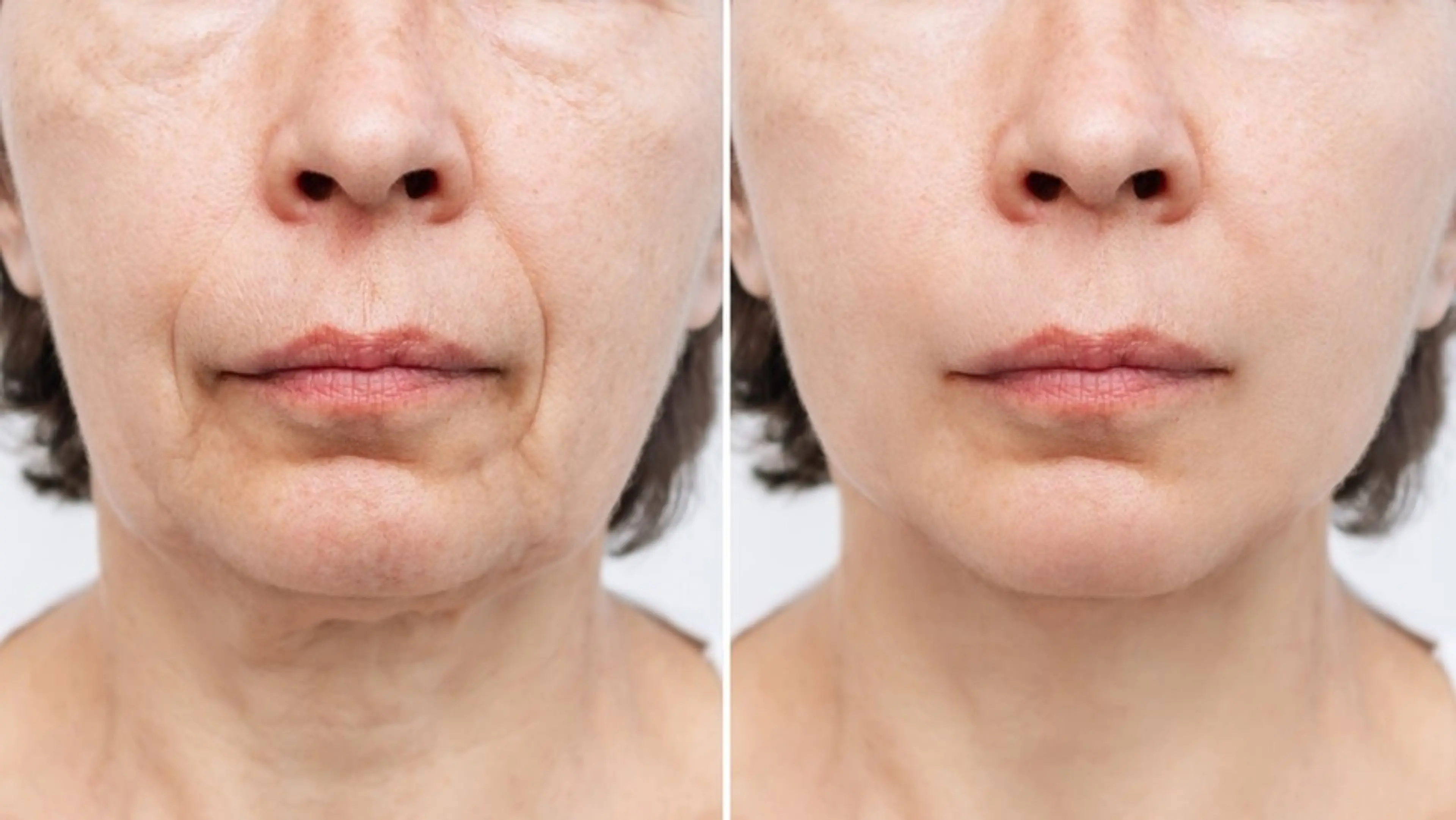
Patients at BLS Clinic have reported smoother skin texture, faded pigmentation, and a more youthful appearance after just a few sessions. One patient, a 42-year-old office worker in Seoul, noted, "I was surprised by how fast the redness went down. My skin looked brighter within a week, and friends asked if I had a facial."
Opus Laser is particularly effective for:
Fine lines and wrinkles
Enlarged pores
Acne scarring
Uneven skin tone
Stretch marks
Mild skin laxity around the jawline or eyes
Its ability to tailor settings to different skin issues makes it a versatile tool in Dr. Yi's treatment plans. The device features multiple tip configurations and variable depth settings, allowing targeted treatment for delicate areas like under the eyes or around the lips.
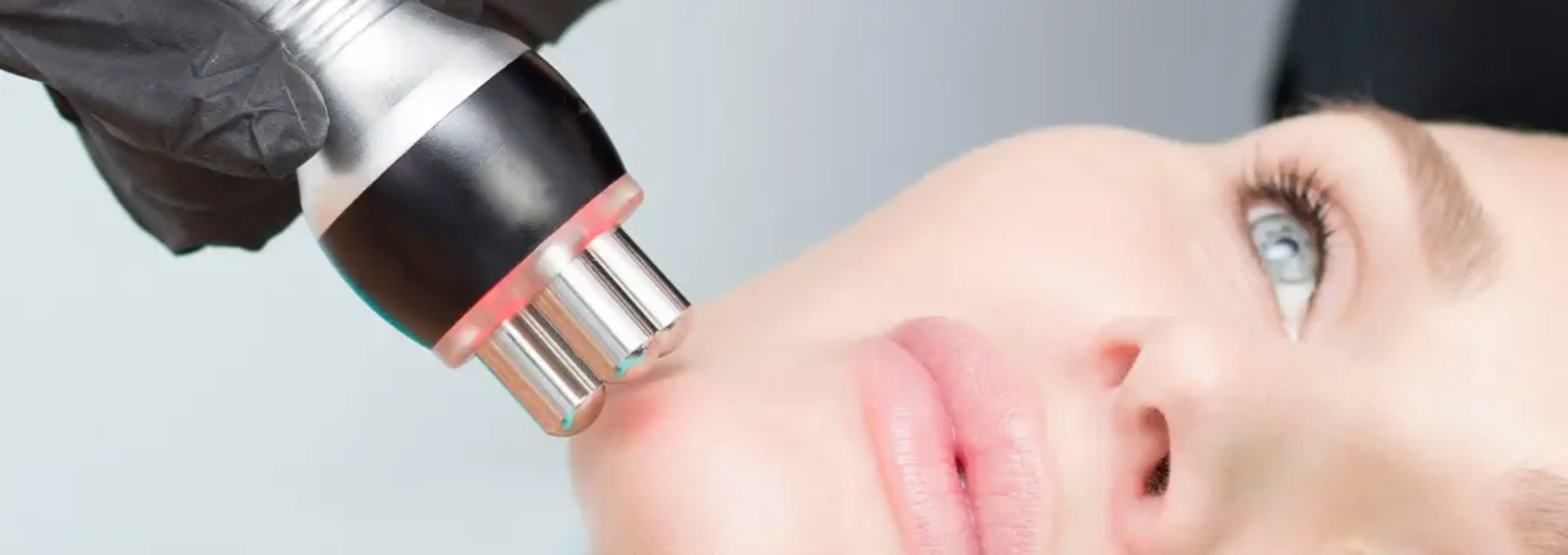
Each session begins with a skin assessment and a discussion of the patient’s goals. Numbing cream is applied to minimize discomfort. The laser handpiece then glides over the treatment area—typically the face, neck, or chest—delivering energy in controlled pulses.
Treatment time is around 30 minutes, depending on the size of the treatment area. Most patients describe the sensation as a warm prickling or mild heat, with some areas being more sensitive than others.
Because the laser avoids ablating the surface layer, redness and swelling are minimal. Patients may notice a sandpaper-like texture for a few days post-treatment, which resolves as the skin renews.
After treatment, patients are advised to avoid sun exposure, apply hydrating serums, and use gentle cleansers. Minor redness usually fades within 24 to 72 hours. Some mild peeling or flaking can occur within 3 to 5 days, indicating effective skin turnover.
Post-care at BLS Clinic includes:
Applying medical-grade moisturizers to support barrier repair
Using broad-spectrum sunscreen (SPF 50+)
Avoiding harsh exfoliants and active ingredients (like retinol) for at least a week
Drinking plenty of water to support internal hydration
BLS Clinic follows up with patients to track progress and recommend any adjunct treatments such as microneedling, Thermage, or fillers to complement the results. Personalized skincare regimens are also offered to extend the benefits of the treatment.
Unlike older resurfacing lasers, Opus is safe for a wider range of skin tones and requires significantly less downtime. Its dual-energy system enables precise depth control, reducing the likelihood of complications like burns or pigmentation changes.
Its ability to stimulate both epidermal renewal and deep dermal remodeling in a single session makes it unique. For patients hesitant about surgical procedures or extended recovery, Opus offers a clinically validated, low-risk alternative.
The clinic emphasizes transparent communication and tailors each treatment plan to the patient’s specific needs and goals. From initial consultation to post-treatment support, every detail is managed with precision and care.
Their multidisciplinary approach—combining science-backed procedures with luxury service—has made them a go-to destination for both local residents and international visitors seeking discreet, high-quality care.